
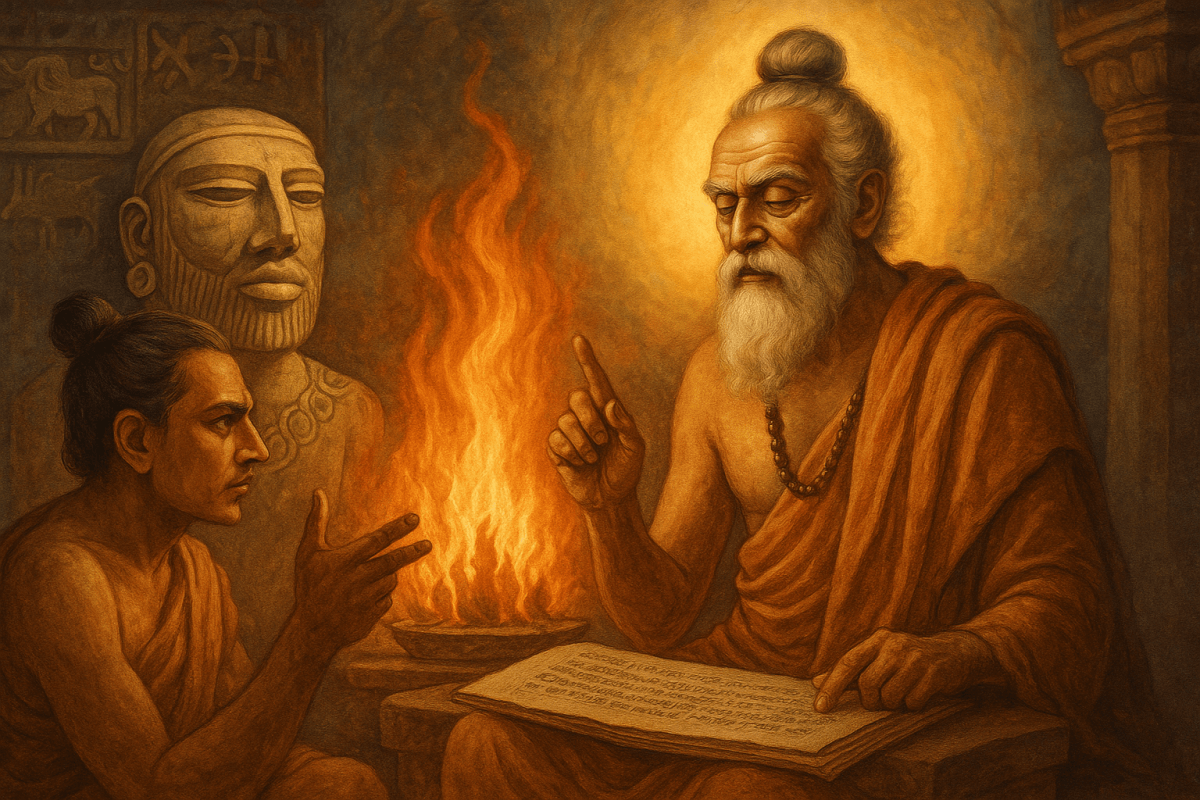
For generations, ancient India’s narrative was dominated by the Aryan Invasion Theory (AIT), later refined as Aryan Migration Theory (AMT). These 19th-century theories depicted external “Aryans” arriving around 1500 BCE, bringing Vedic traditions and Sanskrit, supposedly subjugating the indigenous Harappans. This framework, the article argues, became a potent political tool, fostering a divisive “Aryan-Dravidian” split and undermining Indian heritage.
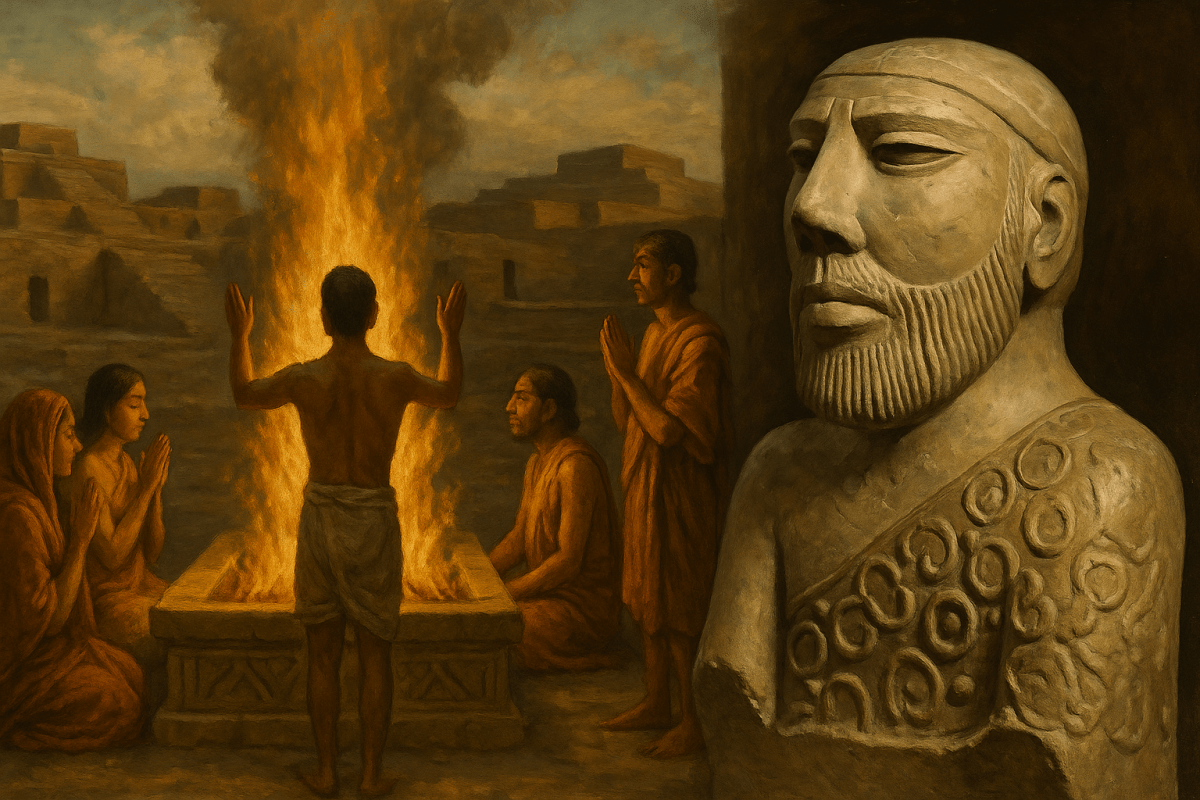
However, the Out of India Theory (OIT) offers a compelling counter-narrative: the Indo-Aryan people and their Vedic culture originated within India, with the Indus Valley Civilization (IVC) being the Vedic Civilization. OIT proponents cite the absence of invasion evidence at Harappan sites, highlighting profound cultural continuity. New archaeological and genetic findings increasingly support indigenous origins, even suggesting westward migrations from India.
This isn’t just an academic debate; it’s a vital quest to “reclaim India’s national identity.” By challenging ingrained historical distortions, OIT aims to re-establish India’s place as a “Cradle of Civilization,” predating Mesopotamia and Egypt, affirming a deep, unbroken cultural lineage.
 Neev Community for Self Inquiry & Sustainability