Categories
Advaitic Inquiries Pre-Witness Stage

You Are Awareness/Brahman: Dialogue with a Teenage Girl & Women in Vedanta

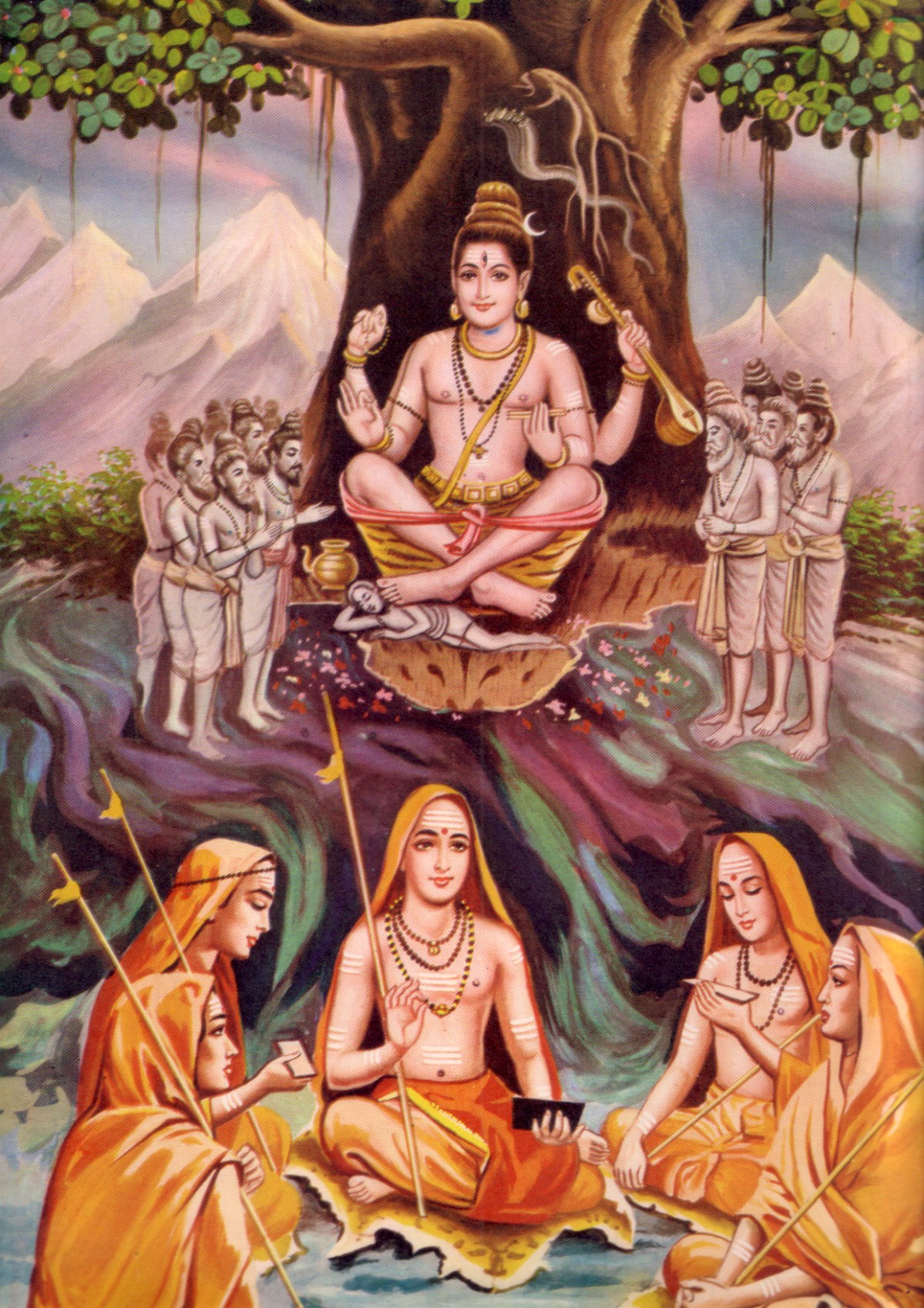
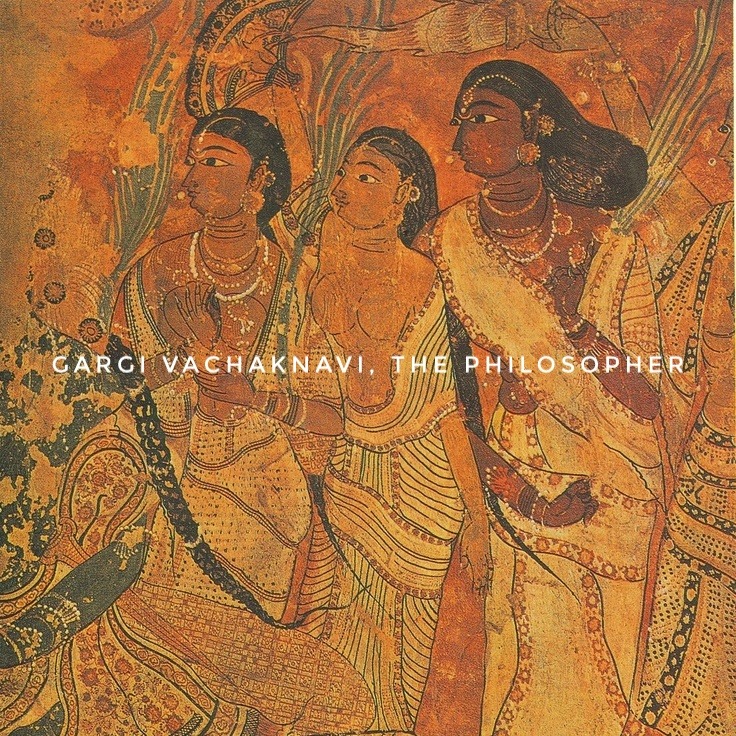
In this article, I am presenting a dialogue on what is the ultimate reality according to Advaita, with a teenage girl who is a student of the Facebook Psycho-Philosophy Group. As I started posting this dialogue, I thought it would be interesting to examine the role of women in the history of Vedanta because it is based on the study of scriptures, dialogue and wherever necessary debates: traditionally the bastion of males. I particularly examine the roles played by two women Gargi Vchaknavi of the Upanishadic era and Ubhaya Bharati of Shankara’s era. Going through the dialogues and roles played by these women, and subsequently going through my dialogue with the teenage girl, one can appreciate the fact that though times have changed- dialogues are held online instead of the forests – the method of transmission of truth, and the way of dialogue between teacher and student in the tradition of Advaita Vedanta remains unchanged, ever since Lord Brahma revealed the Vedas to Rishis and who transmitted this truth to a spiritual family-sampradaya: the lineage of teachers and students who pass the eternal truth down to the present day in an unbroken succession. Women are part of this eternal stream.
Categories
Advaitic Inquiries History of Advaita

Prasthana Traya: The Triple Canonical Base of Vedanta Scriptures Followed by Shankara – Part 3/4: Bhagavad Gita

The Gita is a revolutionary and syncretic scripture in the canon of Vedanta. It brings down the Vedic truths from sequestered Himalayan caves into the active field of political life and crisis evoking tensions of fratricidal war. Religion is philosophy in action. Through the words of Krishna, who acts as his friend, guide, seer and prophet, Arjuna receives the practical application of teachings founds in the Upanishads. Throughout my active public life, I found myself in the position of Arjuna, facing a war, and asking the same questions he did, to Krishna. Thus it was that it was my favourite book till the time I did not renounce all organizational life. In this article, I discuss the Gita as a scripture of Advaita Vedanta along with its unique reformulation of action and renunciation, through what it calls action in inaction and inaction in action. I also discuss Shankara’s queasiness with this reformulation and his grudging acceptance even though it does not sit very well with his ideal of Upanishadic monasticism for a liberated being.

Categories
Advaitic Inquiries Pre-Witness Stage

The Place of Devotion/Bhakti in Shankara Advaita

Advaita, especially Shankara’s Advaita negates all attributes for the Absolute truth it calls Brahman. According to Advaita, Brahman is the only formless reality. The phenomenal world we see is just an apparent reality like a dream. Brahman never creates the world and the souls we perceive. The only way to get enlightened is to get intuitive knowledge of this Absolute Reality of Brahman. This can only happen through knowledge and not through any acts like work, meditation or worship. However, we find several works attributed to Shankara which speak about creator Gods like Vishnu and Shiva. Did Shankara worship these Gods? This article sets out to show that most of these works are not considered by all scholars as undisputed works of Shankara. After giving a short history of the beginning of the worship of Shiva and Vishnu, who are not Vedic Gods like Brahma, the article shows that even if we see some inclination of Shankara towards Vishnu, there is no evidence to show that he worshipped them but used these concepts provisionally only for their helping in purifying the minds of seekers to finally make them fit for attaining enlightenment through Jnana/Knowledge.

Categories
Psycho-Philosophical Inquiries

How Maps Of Mind Condition Us to Live and Act

We are born into a given world, a world mapped out for us in the form of ideas. We imbibe this map unconditionally in childhood. Very few know about the existence of this map in our minds, let alone question it. All that we think, and do in our life is because of this map. Even acts of doing good for society are born from this map. In this article I examine what these maps are, how they are formed, the difficulty of knowing them and the urgent need to examining their limitations rather than acting mindlessly from them.

Categories
Advaitic Inquiries

Stages : From Self Inquiry to Self Realization

Self Inquiry/Jnana Yoga is said to be the ultimate path to enlightenment. But before one enters Jnana Yoga, it is said that one has to purify one’s mind through years of Karma Yoga. However, if one has the prerequisites, one can enter Jnana Yoga directly: without doing Karma Yoga or renouncing the world, as is usually required for Jnana Yoga. This is a unique path I followed and teach. It combines the teachings of J Krishnamurti and Advaita Vedanta. In this article I give a brief description of the stages involved in this journey for interested seekers.