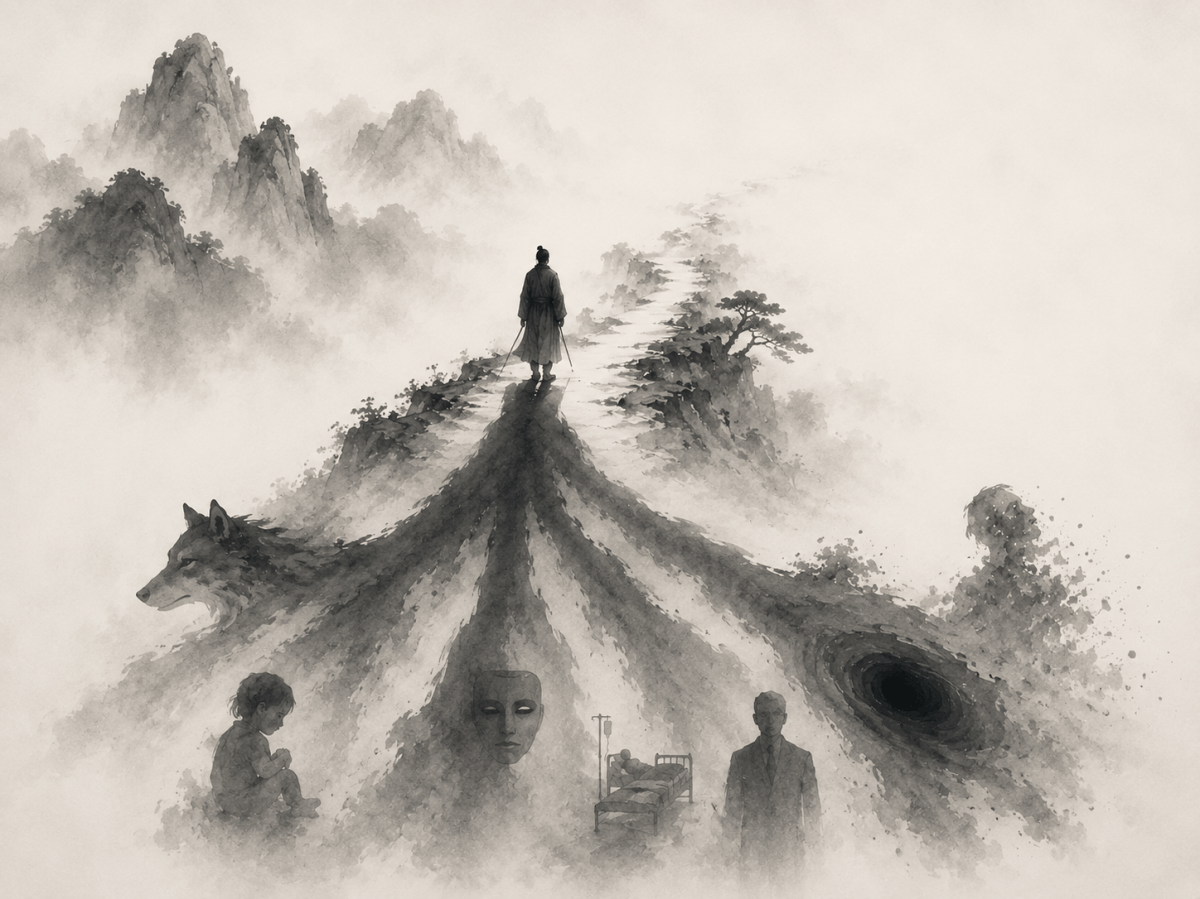
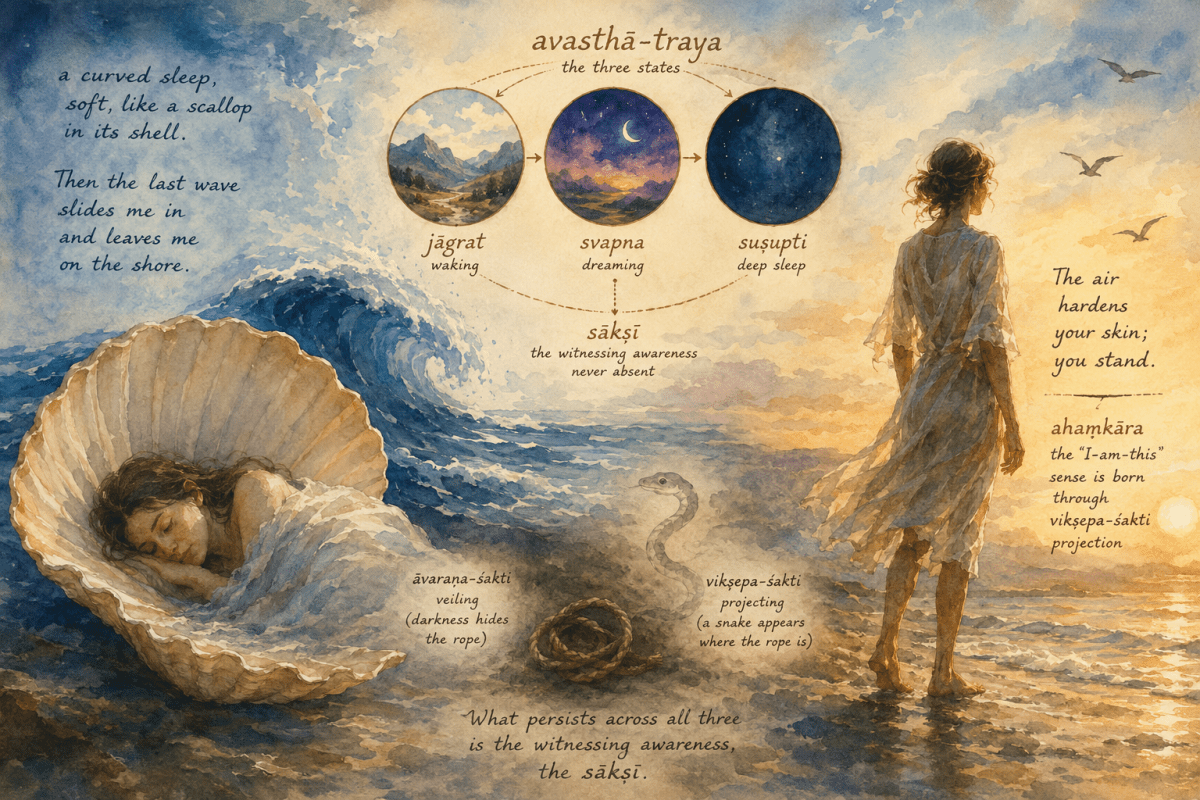
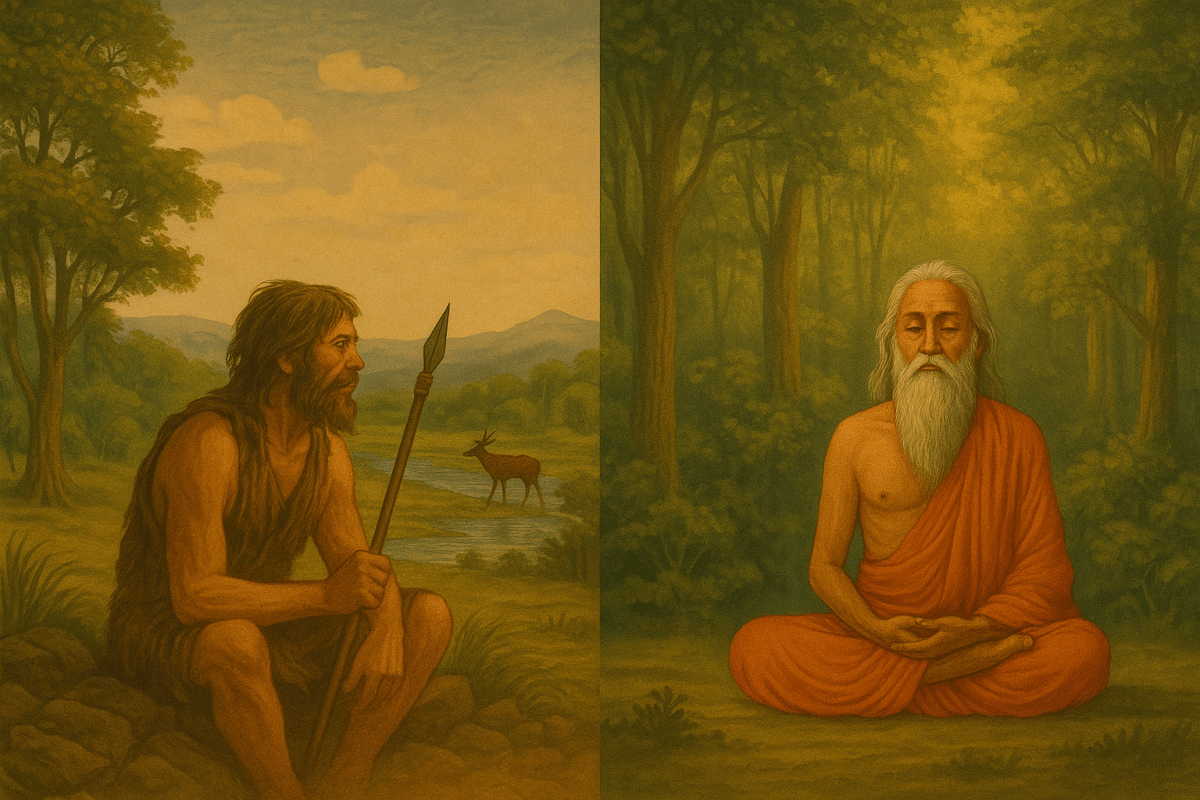
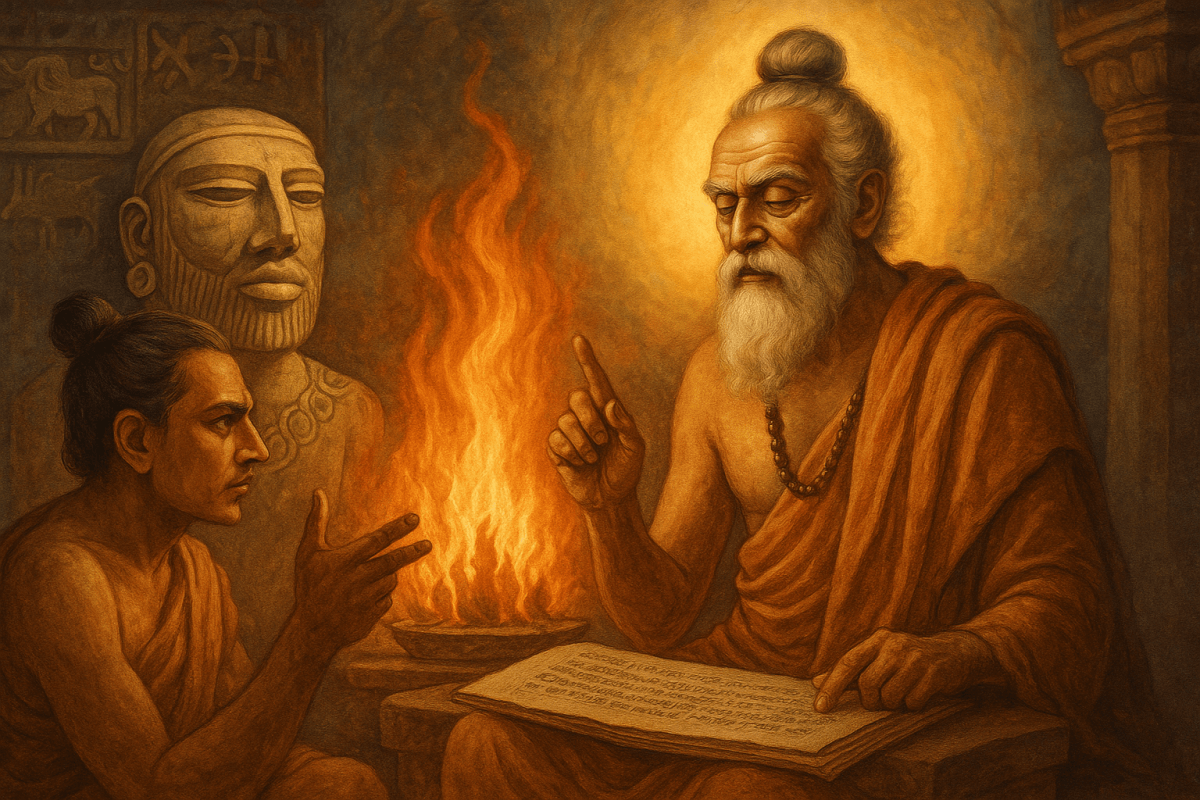
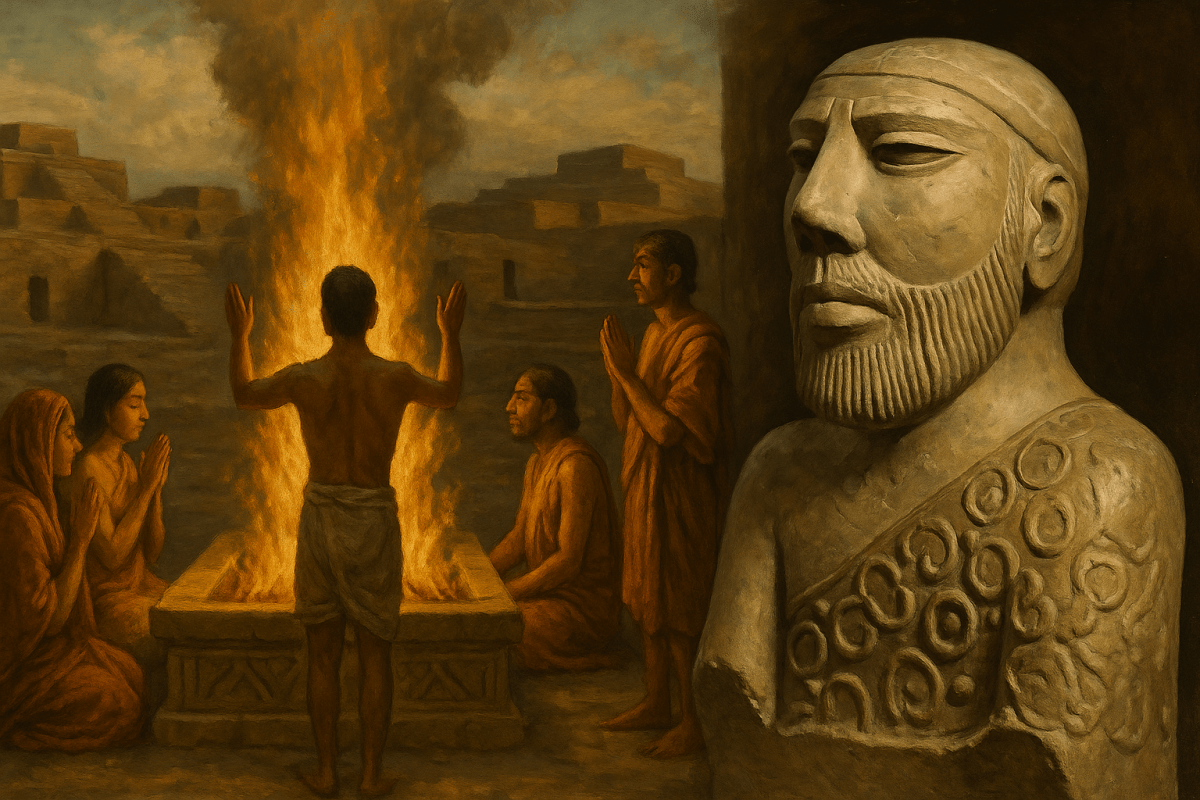
In an age when old rituals faltered under the weight of expanding empires, urban complexity, and moral uncertainty, a quiet revolution unfolded in the forests of ancient India. The Upanishads, composed between 800 and 200 BCE, did not merely extend the Vedic tradition—they dismantled its core assumptions. Sacrifice gave way to self-inquiry. The gods of the altar were replaced by the questioner within.
This shift wasn’t isolated. Across Eurasia, from Greece to China, prophets and philosophers began asking not what to worship, but how to live. The German philosopher Karl Jaspers called it the Axial Age—a spiritual pivot in world history. The Upanishads are India’s profound answer to that moment. Where others turned outward to law, ethics, or reason, India turned inward—seeking the divine not in temples or sacrifices, but in consciousness itself.
This article argues that the Upanishads are more than scripture; they are a civilizational rebirth. In Part 1, we map the Axial Age across cultures. In Part 2, we enter the Indian mind, where the fire of ritual became the light of introspection—and where the self (Ātman) was revealed to be not separate from, but identical with, ultimate reality (Brahman).