
-

Do Advaita and Buddhism Point to the Same Truth?
This blog explores whether Advaita Vedānta and Buddhism ultimately point to the same truth. Through a thoughtful dialogue, it traces the meeting ground between Nāgārjuna’s emptiness (śūnyatā) and Gaudapāda’s non-origination (ajāti). Both dissolve all dualities—self… Read More
-
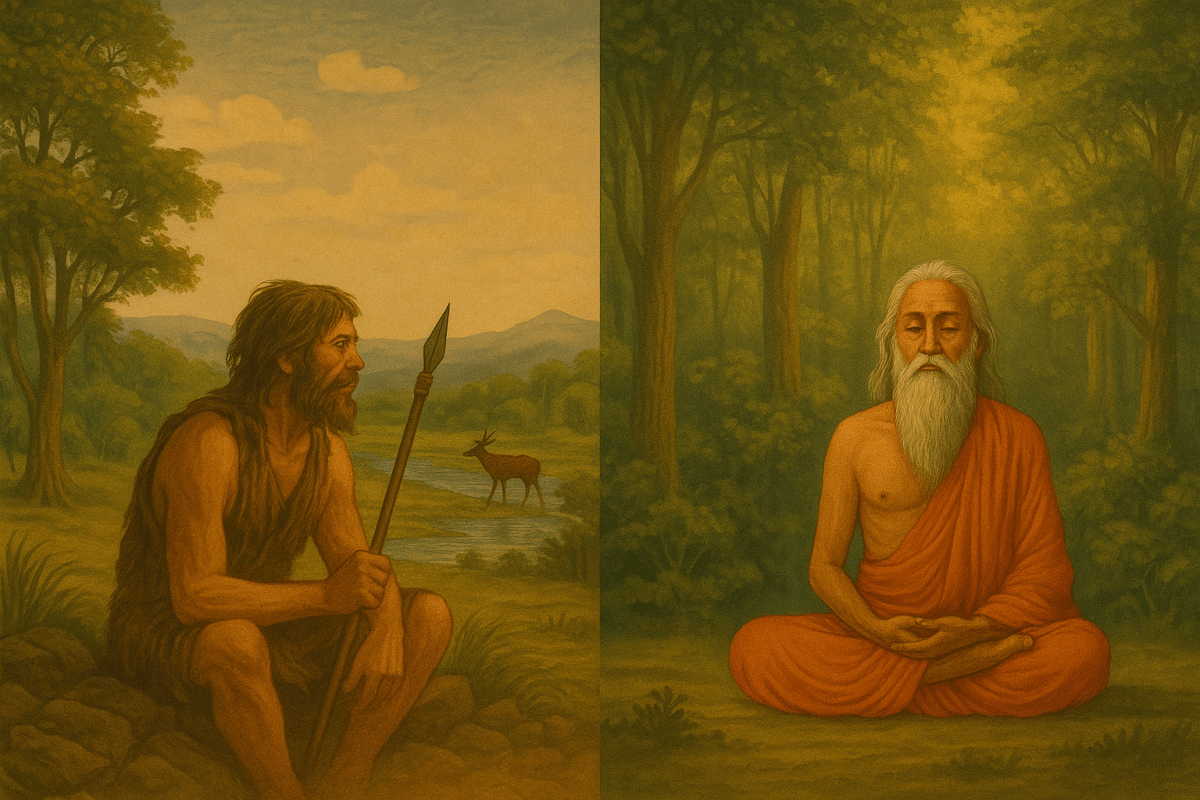
The Wild and the Wise: Finding a Path for Our Anxious World
Despite inhabiting the most technologically advanced age in human history, we are more restless, lonely, and anxious than ever before. This article traces the deep resonance between the hunter-gatherer’s way of living lightly upon the… Read More
-

The Value of Shankara in the Tradition of Advaita – As a Philosopher or Commentator?
The tradition of Advaita Vedanta as a means of liberation is synonymous with the name of Shankara, not because, as many people erroneously believe, he was it’s founder, instead, Shankara’s fame and his legendary status… Read More
-

Samsara is Nirvana – The Perfection of the Imperfection
Social media feeds feel like storm warnings—flashing red, relentless. In every scroll, 2025 is cast as a cursed year. It’s easy to feel buried under the nonstop flood of headlines and social media updates. The… Read More
-
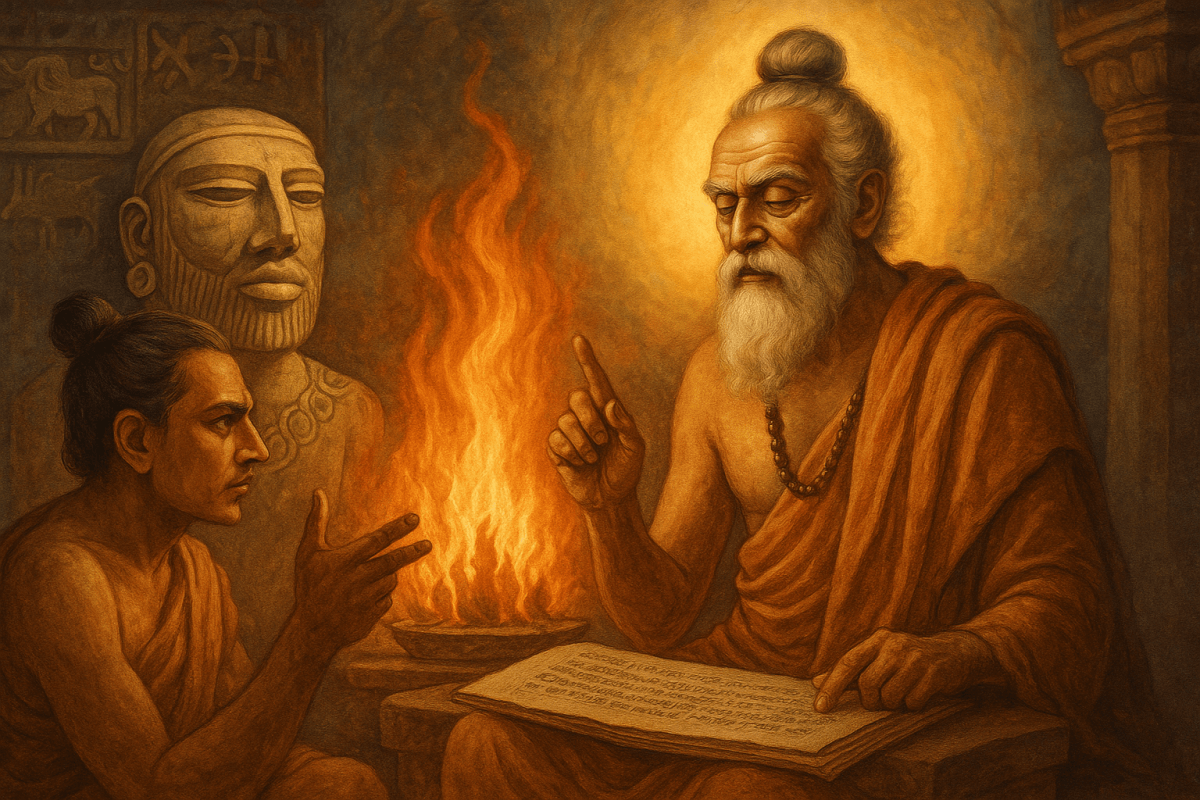
The Upanishads and the Axial Age: Rigvedic People – Invaders, Immigrants or Indigenous? – Part 3
For generations, ancient India’s narrative was dominated by the Aryan Invasion Theory (AIT), later refined as Aryan Migration Theory (AMT). These 19th-century theories depicted external “Aryans” arriving around 1500 BCE, bringing Vedic traditions and Sanskrit,… Read More
-

What Does It Mean To Be Enlightened?
This post is a response to a question from a friend who’s seriously exploring what enlightenment actually is. It’s a good question — and a rare one — because most people, like I did for… Read More
-
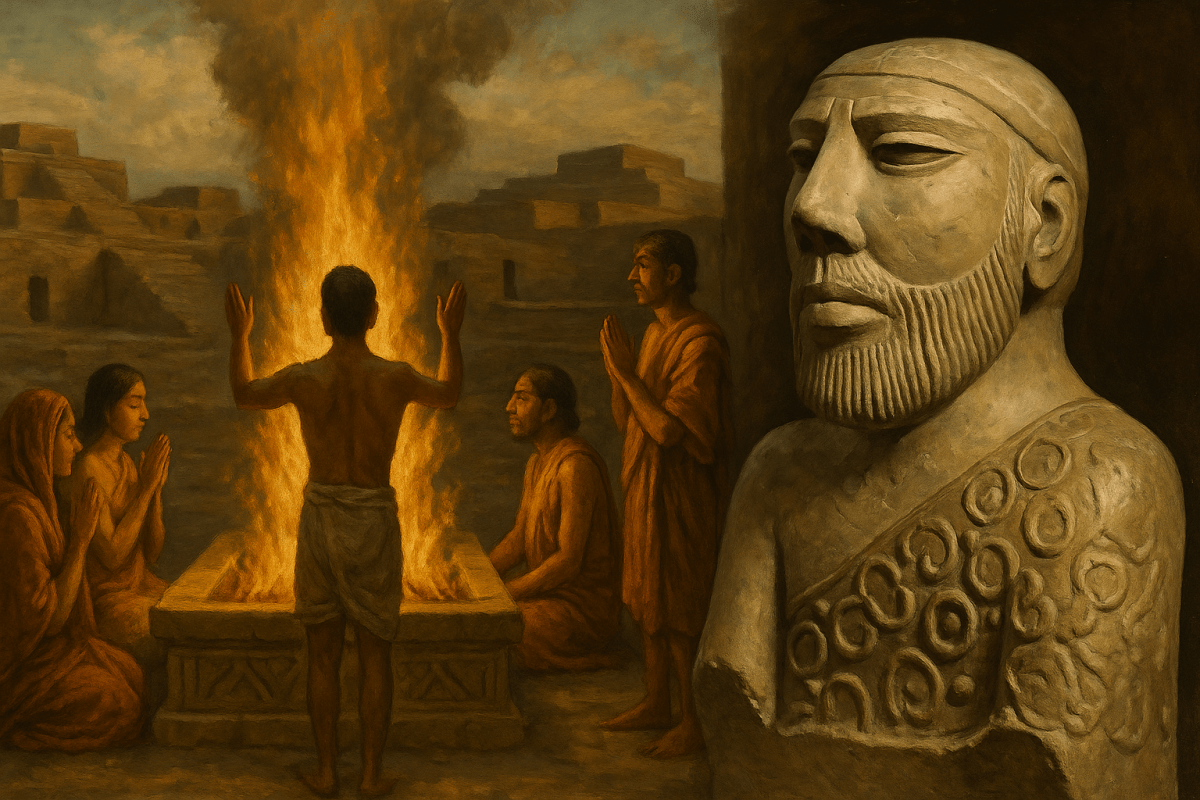
The Upanishads and the Axial Age: Religion in Pre-Historic India – Part 2
In Part 1 of this series, I traced the quiet birth of the Upanishadic vision against the backdrop of one of humanity’s great turning points—the Axial Age. In Part 2, the focus turns to the… Read More
-

The Upanishads and the Axial Age: From Sacred Fire to Inner Light – Part 1
In an age when old rituals faltered under the weight of expanding empires, urban complexity, and moral uncertainty, a quiet revolution unfolded in the forests of ancient India. The Upanishads, composed between 800 and 200… Read More
-

The Upanishads: The Oldest Voice of Nondual Philosophy – Compared to Other Nondual Traditions
Before Plato, before Laozi, before the Buddha, there were the Upanishads. In forest clearings across ancient India, long before the rise of formal philosophy or organised religion, sages sat in silence and asked the only… Read More
-

When the Forest Reclaims the Classroom: Unlearning the Curriculum of Collapse
The world is spiraling toward ecological collapse, social disintegration, and spiritual desolation — the so-called polycrisis. Across history, many thinkers — both Western and Eastern — have raised profound critiques of the way education alienates… Read More
AI Search
Archives
- October 2025
- September 2025
- July 2025
- June 2025
- May 2025
- April 2025
- March 2025
- December 2024
- September 2023
- August 2023
- May 2022
- August 2021
- June 2021
- May 2021
- March 2021
- February 2021
- January 2021
- December 2020
- November 2020
- October 2020
- September 2020
- August 2020
- July 2020
- June 2020
- May 2020
- April 2020
- February 2020
- December 2019
- November 2019
- October 2019
- May 2018
- April 2018
- March 2018
Topics
achievement action advaita authority awareness belief Bhagavad Gita Brahman Brahmasutra Brahmasutra Bhashya Buddha Buddhism capitalism choiceless awareness comparision competition conditioning conflict consciousness crisis death desire disturbing doer duality education ego emptiness enlightenment ethics experience fear four varnas freedom Gaudapada god gunas Hinduism idea identity india industrialization jivanmukta Jnana Yoga Jnani karma Kathopanishad knowledge Krishnamurti liberation love Mandukya Karika Mandukya Upanishad materialism Maya Meditation memory mind Moksha Nachiketa neev non-duality observer paths philosophy pleasure prarabdha karma psychological becoming psychological thought questioning rationalist relationship religion Sankara science self self enquiry self image self inquiry self knowledge Shankara Shankaracharya silence spirituality success suffering superimposition technical thought thinker thought turiya Upanishads values veda vedanta Vedas virtue Vivekachudamani witness yoga
 Neev Community for Self Inquiry & Sustainability